
Sources for Cedar City Previous Residents
A past-resident search starts with the present parcel and moves backward through sources that cover different eras. Iron County deeds and indexes show legal transfers. City directories, newspapers, cemetery files, census material, Sanborn maps, and permits add household or place evidence. A record can name an owner without naming the people who lived there, so the era and record purpose belong beside every result.
| Source | Years It Covers | Where Held | What It Shows |
|---|---|---|---|
| Iron County deeds | 1851-1961 named Archives series | Recorder / Utah State Archives | Transfers and legal parties |
| Grantor/grantee indexes | 1880-1927 and 1927-1947 runs | Recorder microfilm / Archives | Backward name search |
| Cemetery files and maps | 1858-1992 overlapping runs | City Sexton / Archives | Interments, lots, owners |
| Iron County Record | 1893-1982 in LOC title data | Newspaper archives | Obituaries, notices, addresses |
| Sanborn references | 1924 and 1941 editions | Marriott / historical collections | Building footprint and use |
| City permits | Current portal; older history not indexed publicly | Cedar Building and Zoning | Project and address dates |
Use deeds for ownership, directories and newspapers for household clues, maps for the built place, and cemetery or probate material for an endpoint. The online EagleWeb cutoff is not stated, so an older gap belongs with the Archives route rather than a claim that no deed existed.
Cedar City Deed Chain
Start with the current owner and legal description from EagleWeb or the parcel layer. Then search the Recorder’s index for the deed that made that owner a grantee. A grantor is the party giving an interest. A grantee receives it. Search the prior grantor as a grantee in the next earlier transfer, carrying the legal description and book/page reference as the address changes.
- Save the parcel, account, current indexed owner, mailing field, legal description, book/page, and entry number.
- Search EagleWeb Document Search for the current owner and the parcel’s legal reference.
- Read the latest deed summary, then carry the seller’s name backward as the next likely grantee.
- Repeat the search and record each transfer date, party role, book/page, and document family.
- When the web index ends, use the Recorder counter, copy route, microfilm, or Archives series.
- Grantor / grantee
- The transferor and recipient named in a recorded instrument.
- Chain of title
- The linked sequence of recorded transfers for one parcel.
- Legal description
- The formal land description that can remain stable when street labels change.
Cedar City Deed Books Reach to 1851
Utah State Archives lists Iron County deeds in Series 6205 from 1851-1961. Grantor/grantee index Series 6100 includes a 1920-1947 record index, with microfilm runs covering 1880-1927 and 1927-1947. Mortgagee indexes reach from 1888, liens from 1893-1921, and abstracts from 1879-1973. The dates belong to named series, not a promise that every image is online.
EagleWeb says its electronic index begins where electronic indexing began, but the exact year was not located. That honest gap changes the search order. Use the free web index first, then ask the Recorder or Archives for the book, reel, or finding aid that covers the missing period.
The Iron County Recorder names deeds, mortgages, liens, plats, ownership plats, survey plats, and military discharges among its records. The 2026 schedule lists a $45 standard document, $1 for a recorded-document copy, and $5 for a certificate under seal, with separate plat, map, and extra-description amounts. Those are office services, not a charge for opening the free web index. A copy request should carry the document number, book/page, legal description, or account clue already found.
Utah State Archives also lists land patents, lien registers, powers of attorney, abstracts, and land-record series for Iron County. A finding aid can lead to a reel or reading-room record without providing a public image. Archive custody, FamilySearch catalog visibility, and a freely viewable scan are three different levels of access.
The Utah State Archives microfilm inventory is the linked source for the historical land-record fallback.
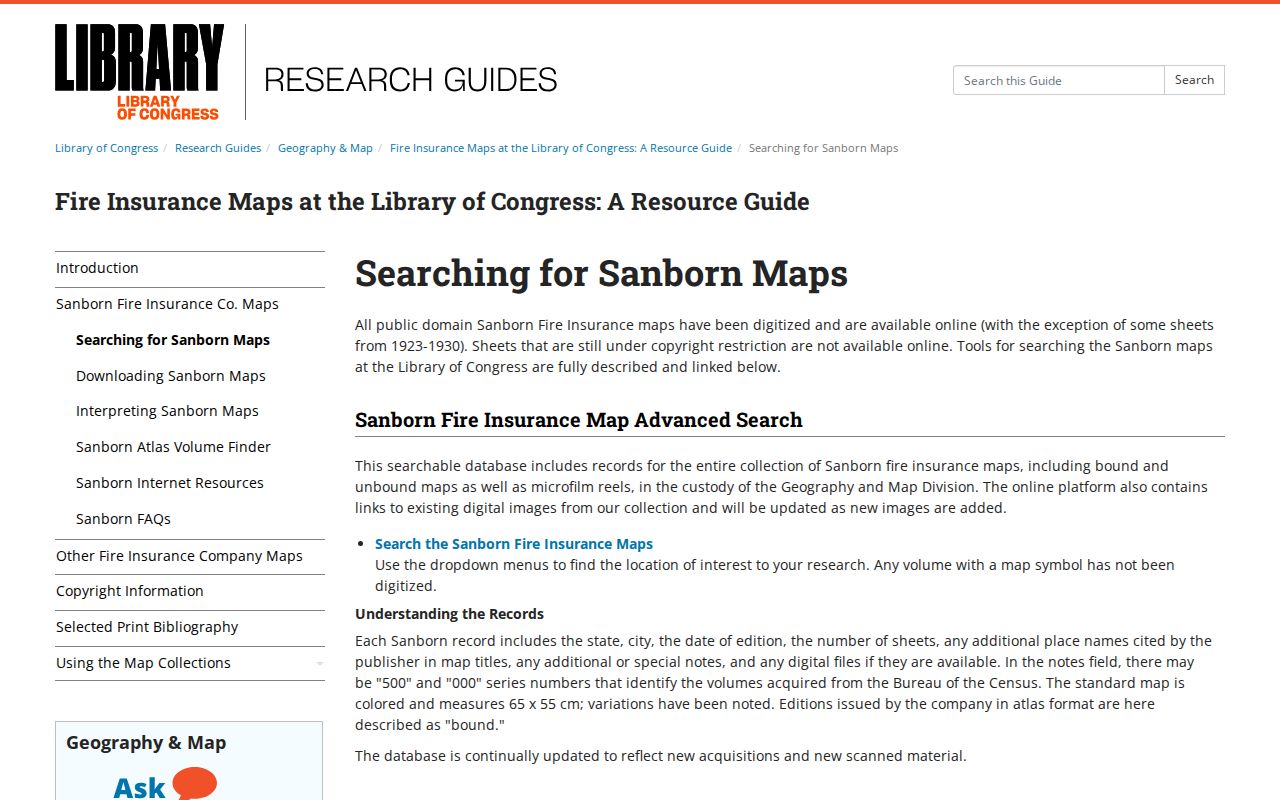
Use the reel or finding-aid reference to request the exact period instead of assuming the online index is complete.
Cedar City Plat A and Plat B
Cedar City’s earliest town geography changed. Fort Cedar was abandoned in 1853. Coal Creek runoff affected the first Plat A conditions, and a final Plat B followed in 1855. A deed or family paper tied to the early footprint may not align neatly with a current street search.
Compare the legal description, lot, block, map, and municipality before deciding that a prior resident cannot be found. The current parcel map can be paired with State Archives map material and the Recorder’s plat series. Address history is strongest when the land description stays in view.
Cedar City Library House History
Cedar City Library’s local-history files preserve people, family, place, and event histories that may not appear in a city directory. The files can include descendant material, autobiographical accounts, and local stories. They are mostly unbound and not uniformly cited. Women may be indexed under married names, and large or copyrighted items may limit scanning.
Ask the library about a reverse directory, old telephone book, yearbook, obituary file, or local periodical run. The public descriptions do not confirm a complete Cedar City directory year run. A librarian’s note about an unlisted physical file can be more useful than a broad online search that implies the shelf is empty.
Cedar City Sanborn Maps Test Buildings
Cedar City Sanborn editions from 1924 and 1941 are identified in historical material, with Marriott Special Collections named as a holding. A Sanborn map can show a building footprint, material, function, and neighboring streets. That helps answer whether the structure stood at the address during a period when a family name appears in a newspaper or directory.
It cannot name all previous residents. Pair it with a deed date, census point, directory entry, obituary, or permit. If an exact digital image is not available, use the catalog or holding reference to ask for access.
The Library of Congress Sanborn guide is the linked source for using fire-insurance maps in a house-history search.
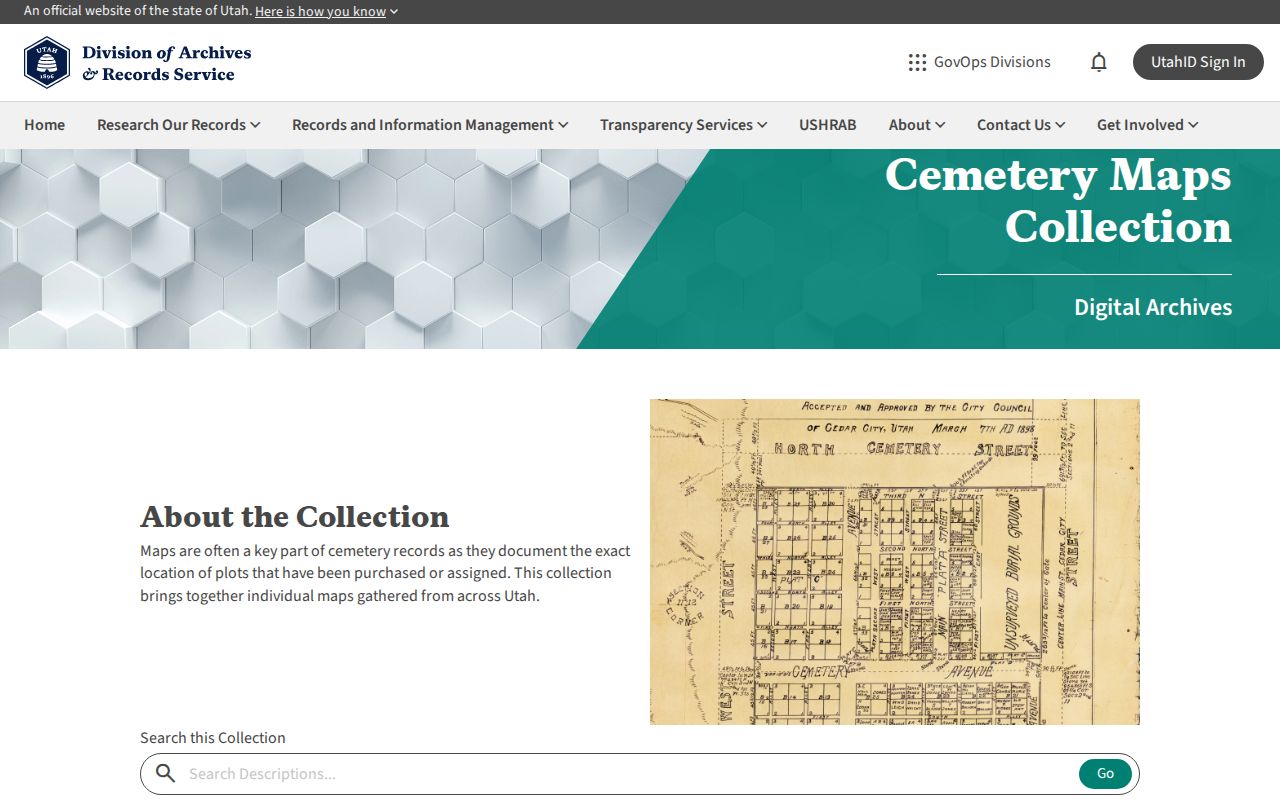
Use the map for building and street context, then pair its date with a named household source.
Cedar City Directories and Census Dates
Directory years sit between wider census points. Follow a name and address in every available city directory or reverse file, then compare the nearest census enumeration date. Add the deed date when ownership changes, and add newspapers or cemetery material when a person dies or moves. A student may show in SUU material while absent from a household record.
- Write down the address exactly as the older source gives it, including direction and ZIP.
- Search the same person with maiden, married, middle-initial, and abbreviated forms.
- Place the directory entry beside the closest census, deed, newspaper, or campus date.
- Use the next record to test whether a disappearance means a move, death, name change, or missing volume.
Cedar City Newspapers and Probate
The Iron County Record, local digital newspapers, cemetery files, and public court history can close a previous-resident trail. Search obituaries, funeral notices, marriage announcements, legal notices, estate names, and address terms. Probate may appear in Xchange history or local court files, while actual estate papers can remain with the clerk or an archive.
Use a notice as a lead to a family link, not as a complete proof of residence. The date of publication may lag the event. When a newspaper OCR result looks wrong, inspect the page image and neighboring issue. Known misdated Record issues include September 7, 1930, June 3, 1931, and November 4, 1931.
Cedar City ZIPs Mark Time
USPS moved about 6,900 deliveries from 84720 to 84721 on July 1, 2008. The ZIP in an older directory or deed mailing field may therefore differ from today’s delivery result. Test both values while keeping the street, direction, and municipality unchanged.
A ZIP change can explain a search gap. It cannot prove who lived at an address. Use it to widen the date-aware search, then return to the deed, newspaper, directory, or census source.
The same caution applies to the newer Southern Utah National Cemetery. The VA identifies its Cedar City location, dedication on September 10, 2025, service area, and visitation details. It is a distinct burial and veteran-service source for family research, not a list of current Cedar City residents. Add it when a prior household trail reaches military or burial history, and keep the institutional record separate from a city parcel.
Past Households: Directories, Census, and Obituaries
Owners are only one part of the previous-residents story. City directories, reverse directories, census schedules, newspapers, and library histories can show a household connection that a deed does not. Pair a directory point with the closest census and keep the street, ZIP, and source date visible. The Cedar City city directory collections page separates the historical shelf from the modern parcel chain.
Obituaries, cemetery records, and probate files can mark an endpoint after a move or death. Cedar cemetery series overlap across burial cards, registers, lot files, and owner indexes, which can help reconcile a changed spelling or lot holder. A name that vanishes may reflect a gap, not a conclusion.
Label each conclusion as owner, occupant clue, burial link, or unresolved lead. That wording keeps a previous-resident history honest.
Lawful use. Previous-resident research supports house history, family history, and personal curiosity. Do not use a Cedar City address trail to stalk, harass, track, intimidate, or harm a living person.